
glass mirror with lights
Understanding Pressure Control Valves A Key Component in Fluid Systems Pressure control valves play a crucial role in fluid systems, ensuring that the pressure within piping networks remains within designated limits. These valves are integral to various applications, including water treatment facilities, chemical processing, and HVAC systems. In this article, we will explore the working principles, types, and applications of pressure control valves, highlighting their importance in maintaining system efficiency and safety. What is a Pressure Control Valve? A pressure control valve (PCV) is a mechanical device used to modulate the pressure of fluids within a system. By automatically adjusting the flow rate of the fluid, these valves ensure that the pressure does not exceed or fall below the desired setpoint. This capability makes them essential for protecting equipment, enhancing efficiency, and ensuring safe operations. How Do Pressure Control Valves Work? The operation of a pressure control valve is relatively straightforward. These valves can be categorized into two primary functions pressure relief and pressure regulation. 1. Pressure Relief Valves These valves are designed to release excess pressure from the system. When the fluid pressure exceeds a specified threshold, the valve opens, allowing fluid to escape, thereby preventing damage to pipes and equipment. Once the pressure drops to acceptable levels, the valve automatically closes, restoring normal system conditions. 2. Pressure Regulating Valves Unlike relief valves, pressure regulating valves maintain a constant downstream pressure despite fluctuations in upstream pressure or flow rates. They achieve this by adjusting the valve opening in response to changes in pressure. When downstream pressure drops, the valve opens more to allow additional fluid flow; conversely, when the pressure is too high, the valve closes to restrict flow. Types of Pressure Control Valves Pressure control valves come in various designs, each suited for specific applications. Some of the most common types include - Spring-Loaded Valves These valves use a spring mechanism to provide the necessary force to open or close the valve in response to pressure changes. They are widely used in both pressure relief and regulation applications. pressure control valve - Pilot-Operated Valves These valves utilize a smaller pilot valve to control the opening and closing of a larger main valve, allowing for more precise control over the system pressure. They are particularly useful in high-pressure applications. - Electronic Valves With advancements in technology, electronic pressure control valves have emerged . These valves use sensors and actuators to provide real-time pressure regulation, allowing for more sophisticated and responsive pressure management. Applications of Pressure Control Valves Pressure control valves are used in a wide range of industries, including - Water and Wastewater Treatment PCVs ensure that pressure levels are maintained in treatment plants and distribution systems, safeguarding against system failures and ensuring effective water delivery. - Chemical Processing In chemical manufacturing, precise pressure control is often critical to ensure safety and product quality. PCVs help manage the pressure of various processes, preventing hazardous conditions. - Oil and Gas In the oil and gas industry, pressure control valves regulate the pressure in pipelines and processing facilities, preventing leaks and ensuring safe operations. - HVAC Systems In heating, ventilation, and air conditioning systems, PCVs help maintain optimal pressure levels, contributing to energy efficiency and system reliability. Conclusion In conclusion, pressure control valves are indispensable tools for managing fluid systems across diverse industries. Their ability to regulate and relieve pressure enhances operational safety, increases efficiency, and protects critical equipment from failure. As technology continues to evolve, the design and functionality of pressure control valves will likely become even more advanced, driving improvements in fluid management and system design. Understanding their importance and operation is essential for professionals working in fields involving fluid dynamics and process engineering.
about
glass mirror with lights
The Essential Role of Welding Table Clamps in Metal Fabrication Welding is an integral part of the metal fabrication process, used in various industries, from automotive to construction. One of the critical tools that enhance the efficiency and precision of welding is the welding table clamp. Specifically, the welding table clamps 5/8 inch size are widely regarded for their versatility and effectiveness in securing workpieces during the welding process. The Essential Role of Welding Table Clamps in Metal Fabrication One of the primary advantages of using 5/8 inch welding table clamps is their ability to provide a sturdy grip on a wide range of metal thicknesses. Whether working with thin sheets or thick plates, these clamps can secure the materials firmly, allowing for a smooth and controlled welding process. Additionally, the adjustable nature of these clamps means that they can adapt to different shapes and sizes, providing flexibility in various projects. welding table clamps 5 8 Another significant benefit of welding table clamps is their role in enhancing safety during welding operations. Properly clamped workpieces reduce the risk of accidental movement, which can lead to hazardous situations, including burns and personal injuries. By ensuring that materials remain firmly in place, welders can focus on their work without the distraction of managing shifting components. Moreover, the use of 5/8 inch welding table clamps promotes improved welding quality. Consistent alignment of the materials leads to better penetration and bonding, resulting in stronger joints. This is particularly vital in structural applications, where the integrity of welds is crucial for the overall safety and durability of the construction. In terms of usability, these clamps are user-friendly and can be operated with minimal effort. Many clamps come with quick-release mechanisms that allow for rapid adjustments, speeding up the workflow and increasing productivity. For professionals and hobbyists alike, this efficiency is valuable, especially when working on time-sensitive projects. In conclusion, welding table clamps, especially the 5/8 inch variety, are essential tools in the metal fabrication industry. Their ability to provide a secure grip, enhance safety, and improve welding quality makes them indispensable for any welder. Investing in reliable welding table clamps not only boosts the quality of the finished product but also contributes to a more efficient and safer working environment. As the demand for high-quality welded structures continues to grow, the importance of these clamps in the welding process cannot be overstated.
-

High quality industrial productsagement

High quality industrial products
View Details -

Meet the diverse needs of customers

Meet the diverse needs of customers
View Details -

Strict quality control

Strict quality control
View Details -

Top raw materials

Top raw materials
View Details -

Trusted supplier

Trusted supplier
View Details
Our application



news and information
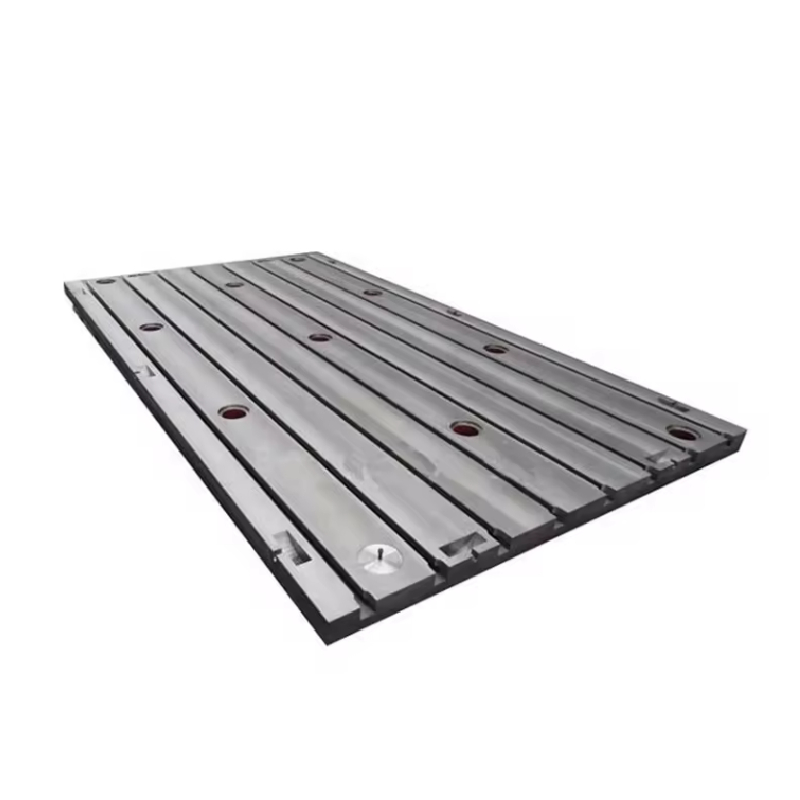
Versatile Metal Saddle Clamp for Securely Holding Pipes and Tubing in Various Applications
The Importance of Metal Saddle Clamps in Modern Applications In the world of engineering and constru

Versatile 5x10 Foot Welding Table for Efficient Metalworking Projects and Fabrication
The Importance of a 5x10% Welding Table in Modern Metal Fabrication Welding is an essential process

welding tables should be made of
The Importance of Welding Tables Material Considerations Welding is an essential process in various
 English